How to assess diet pills, capsules, drops, shakes, and vitamins
The phrase “diet pill” covers very different products, from prescription medications with specific indications to supplements sold without premarket proof of effectiveness. Understanding that distinction is more useful than a generic top-10 ranking. A useful reality check is whether a normal day of meals supplies enough protein, fiber, produce and essential fats—not just a calorie total.
Prescription treatment is not the same as a supplement
Prescription weight-management medications are evaluated for specific uses and should be selected with a licensed clinician. Choice depends on medical history, current medications, potential side effects, cost, insurance coverage, and the level of follow-up required.
Dietary supplements are regulated differently and are not preapproved by the FDA for weight-loss effectiveness. A capsule containing familiar vitamins or plants should not be treated as equivalent to an approved medication.
- Ask what outcome was studied and for how long.
- Discuss contraindications and interactions rather than relying on a quiz.
- Clarify how progress and side effects will be monitored.
- Use licensed pharmacies and verify unfamiliar online sellers.
A five-point label check
Start with the Supplement Facts panel, not the headline. Record the serving size, ingredient names, amounts, stimulant content, allergens, and other warnings, then compare that information with everything else you consume.
A proprietary blend may reveal the total blend weight while hiding each component's amount. That makes it difficult to compare the formula with research or determine whether multiple products duplicate the same ingredient.
- Identity: Are all active ingredients and amounts disclosed?
- Dose: How many capsules, scoops, or drops make one serving?
- Quality: Is there credible independent testing for identity and contaminants?
- Safety: Are warnings, allergens, and company contact details easy to find?
- Cost: What is the price per labeled daily serving after shipping and renewals?
Recommended Products
Claims that deserve extra scrutiny
Terms such as detox, fat burner, metabolism booster, natural, and belly-fat formula are marketing categories, not proof of a clinically meaningful result. The body does not selectively remove abdominal fat because a product uses “flat belly” language.
Liver-focused weight-loss claims also need separation from medical care. Suspected liver disease requires evaluation, and a supplement marketed for cleansing should never delay testing or replace treatment.
- Guaranteed or effortless weight loss
- Claims that one mechanism explains weight gain for nearly everyone
- Testimonials presented without typical-results data
- Urgent countdowns or repeated warnings that stock is almost gone
- Facility registration used to imply FDA product approval
Comparing the eight featured commercial formulas
The selected products use different formats: liquid coffee drops, a coffee-oriented formula, capsules, a microorganism-based supplement, juice-style ingredients, and a water-mixed shake. Format affects convenience, but it does not establish effectiveness.
the listed ingredients consists of product formulations rather than independent clinical evidence. Compare disclosed ingredients and amounts, stimulant exposure, allergens, testing, serving count, refund conditions, and recurring cost before considering a purchase. Portion sizes, cooking oil, sweetened drinks and snack frequency often explain more of the weekly calorie difference than a supplement choice.
- LivPure and HepatoBurn are promoted around liver and weight-related claims, which should not be confused with treatment for liver disease.
- Metabo Drops and Java Burn are positioned for coffee users; check the complete formula and account for caffeine from the beverage itself.
- Ikaria Juice names several botanical components, while AquaBurn describes an 11-nutrient pill blend without naming those nutrients in the listed ingredients.
- Flat Belly Shake is a powder mixed with water, but the listed ingredients do not provide a complete ingredient panel.
Supplements for Diet
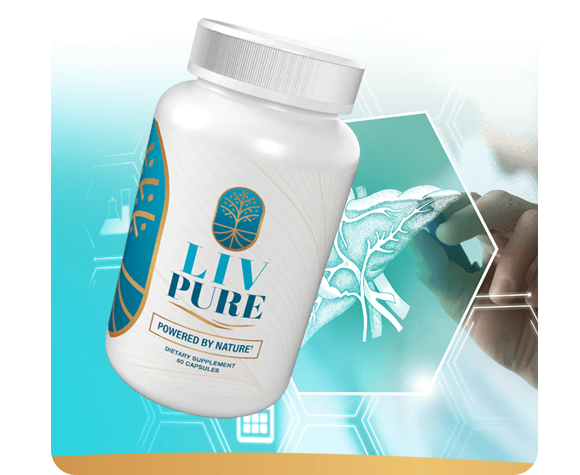
LivPure
LivPure brings together silymarin, berberine, betaine and choline in a formula aimed at liver wellness, energy metabolism and cellular antioxidant defense. Silymarin and glutathione contribute antioxidant support, while betaine and choline are involved in normal liver fat processing. With diet, betaine and silymarin support normal liver nutrient processing while the meals provide protein, fiber and energy.
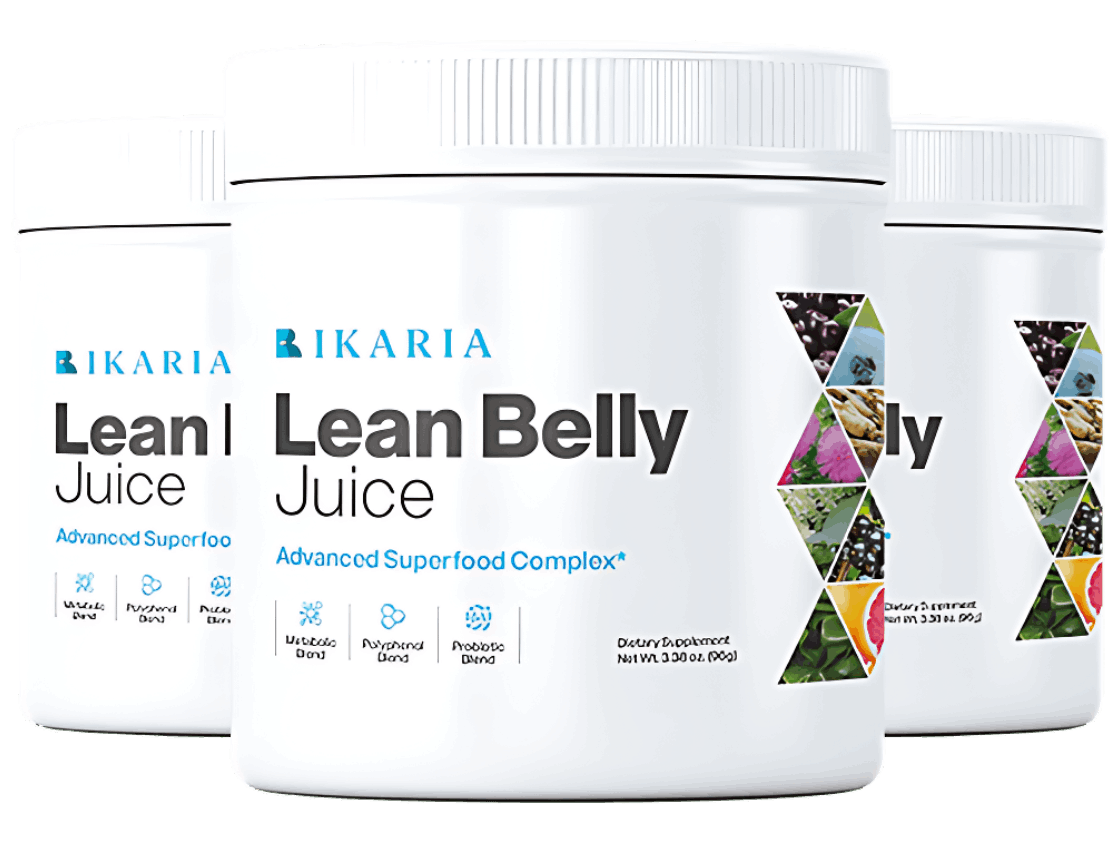
Ikaria Juice
The Ikaria Juice drink mix contains turmeric, milk thistle, green-tea extract and fruit polyphenols, plus fiber and probiotics for gut balance. Inulin helps nourish beneficial gut bacteria; the fruit and green-tea extracts add an antioxidant-focused complement. A diet eating pattern can be paired with its inulin-and-probiotic support for digestive balance as fiber intake changes.
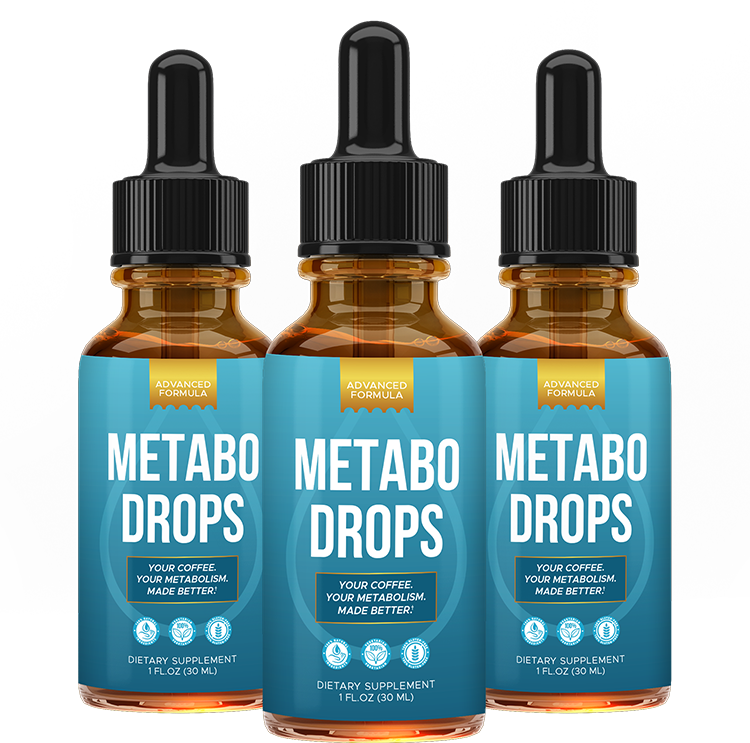
Metabo Drops
Metabo Drops is a coffee-mix formula combining chromium for normal macronutrient metabolism with chlorogenic acid, green tea, L-carnitine and L-theanine. Its chromium and chlorogenic-acid combination targets everyday carbohydrate metabolism, while L-carnitine relates to cellular energy production. Alongside diet, the coffee or tea format supplies chromium and botanical polyphenols while food remains the source of satiety and nutrients.
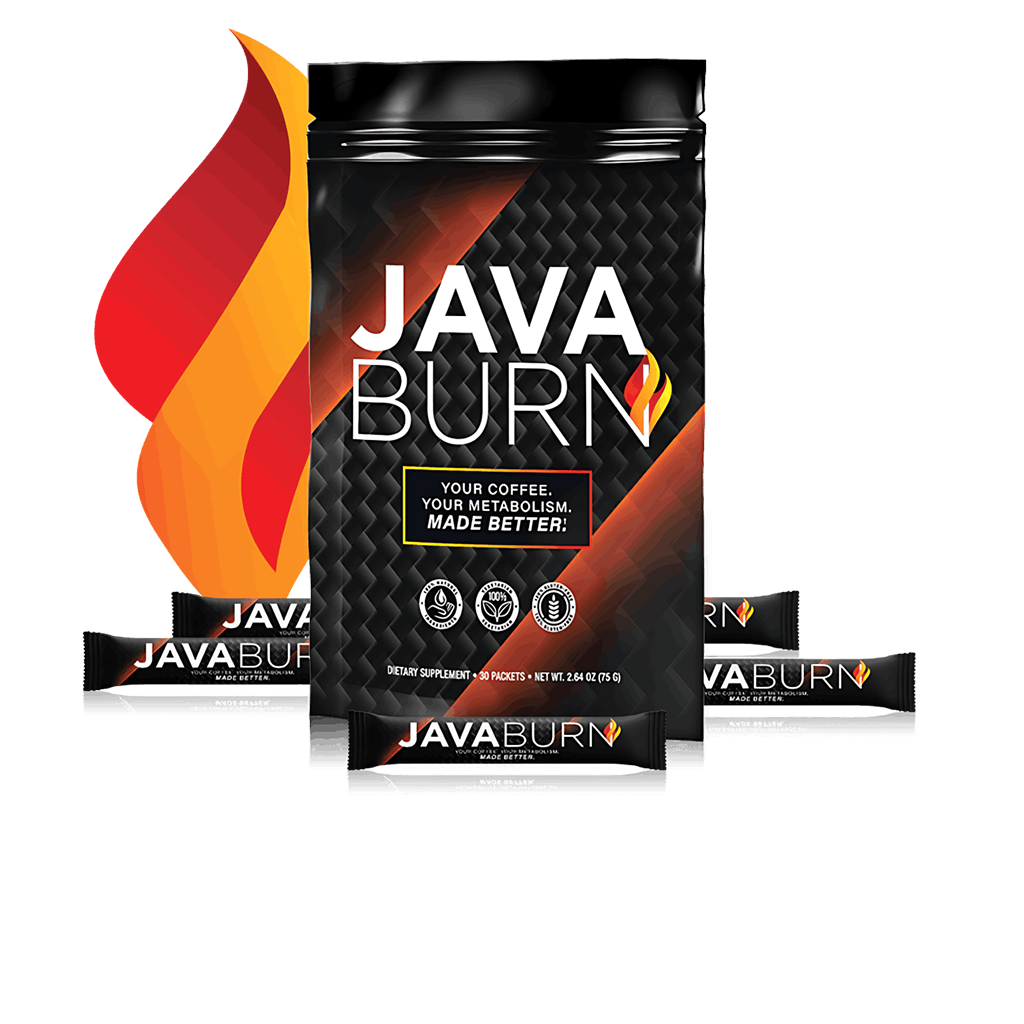
Java Burn
Java Burn mixes into hot or iced coffee and contains green-tea extract, green-coffee chlorogenic acids, L-carnitine, L-theanine, chromium and B vitamins. The formula pairs a coffee-friendly metabolic blend with L-theanine for focus and B vitamins for normal energy-yielding metabolism. Alongside diet, the coffee or tea format supplies chromium and botanical polyphenols while food remains the source of satiety and nutrients.
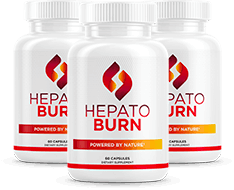
HepatoBurn
HepatoBurn brings silymarin, glutathione, berberine and choline into a multi-ingredient formula for liver-related metabolic and antioxidant support. Its liver-support ingredients work alongside green-tea polyphenols and chlorogenic acid in a formula aimed at normal fat processing. With diet, betaine and silymarin support normal liver nutrient processing while the meals provide protein, fiber and energy.
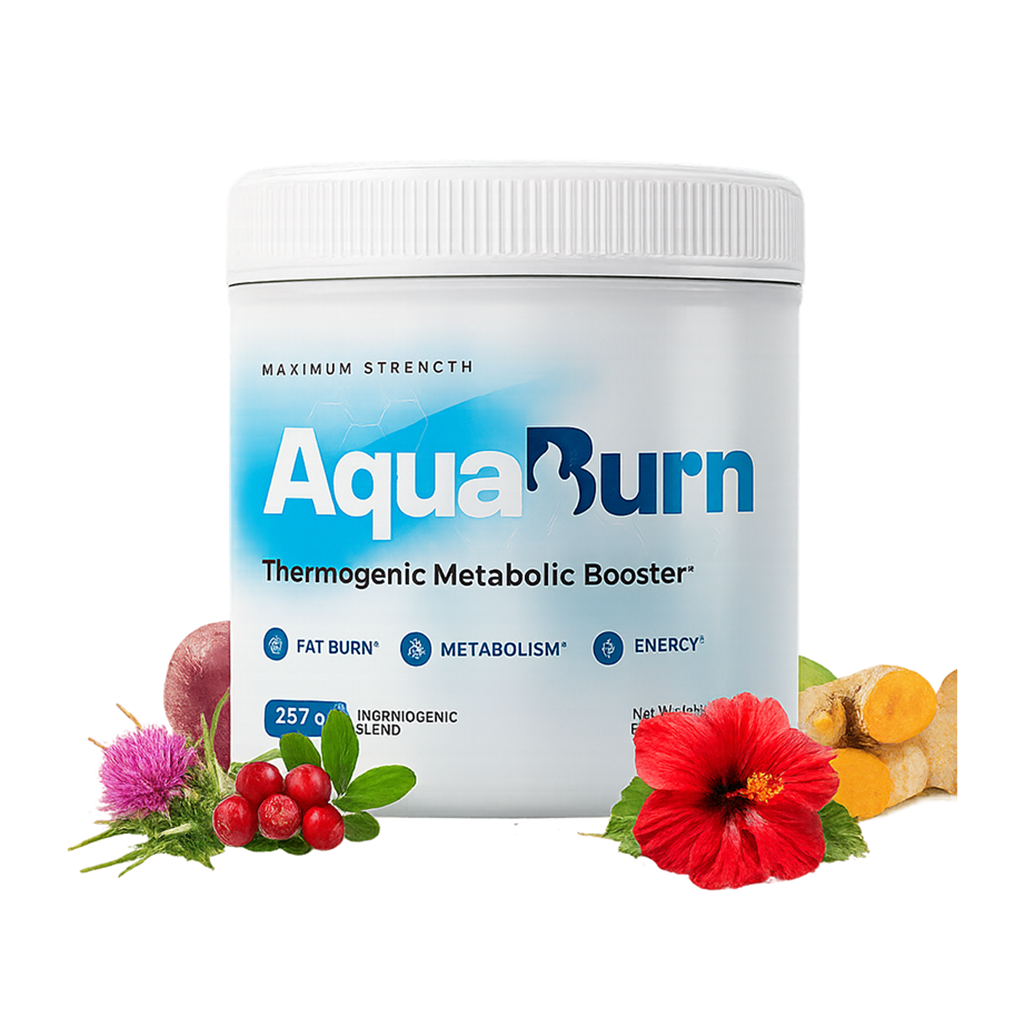
AquaBurn
AquaBurn focuses on botanical energy and metabolic support through green tea, fucoxanthin, ginger, ginseng and antioxidant-rich plant extracts. The blend emphasizes antioxidant protection and energy processes through green tea, resveratrol, ginseng and seaweed carotenoids. During diet, its tea and fruit polyphenols provide an antioxidant-oriented complement to varied meals.
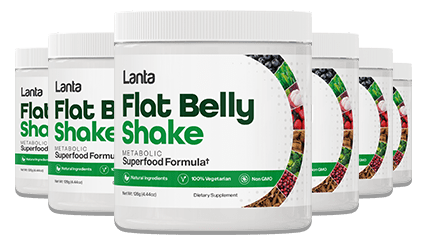
Flat Belly Shake
Flat Belly Shake is designed around the convenience of a prepared drink when planning breakfast, snacks and daily calorie intake. For meal planning, serving size and protein content matter more than the product name, because a satisfying shake needs adequate nutrients. For diet, the drink format helps organize a measured serving when the full label meets daily protein and calorie needs.
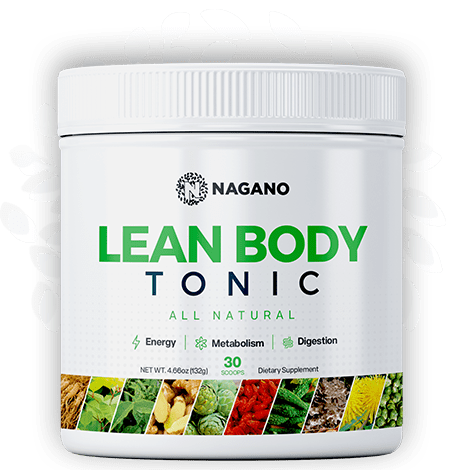
Nagano Tonic
Nagano Tonic is a powdered drink mix made with botanicals and nutrients including camu camu, green-tea EGCG, mangosteen, ginger and inulin. Its formula is promoted for daily metabolic, energy and digestive support; it is not a substitute for balanced nutrition or medical care. When comparing options alongside diet, review the ingredient label and seller terms before ordering.
Frequently Asked Questions
There is no responsible universal ranking. Prescription options require an individualized medical assessment, while over-the-counter supplements should be judged by ingredient transparency, safety, independent testing, evidence for the finished product, and realistic cost.
Not automatically. Natural ingredients can cause side effects, interact with medicines, affect laboratory tests, or be unsafe for certain health conditions.
Correcting a genuine nutrient deficiency can support health, but routine vitamins do not directly produce substantial fat loss in a person who is already adequately nourished.
Gendered packaging does not prove a better formula. Pregnancy potential, breastfeeding, menstrual changes, menopause, anemia risk, medications, and individual health are more important considerations.